Insights from the Fall Partnership Summit.
What if 70% of our youth had a pathway locked in, and were actually walking into higher ed, certification, training, or an occupation? What if that happened in Pierce County?
Pierce County Council Chair Jani Hitchen posed this question at the Fall Partnership Summit. Her panel, and the conversations that filled the rest of the day, offered a working picture aligned partnership between institutions and across government.
Pierce County Snapshot
The urgency
14,000
Youth ages 16 - 24 in Pierce County who are not working and not in school
The goal
70%
credential
attainment by 2030
The baseline
45%
Pierce County adults
currently credentialed
Pierce Promise: Building the Bridge Between K-12 and Higher Education
The story of Pierce Promise starts with the unique geography of the Franklin Pierce School District. The district is 100% unincorporated Pierce County, with no cities or towns in any part of its border. Without a municipality to anchor them, communities like Parkland are dense and full of families, yet structurally disconnected.
Those pressures follow young people right up to the doorstep of college:
- Roughly 66% of FPSD students are identified as coming from a low-income family.
- Many are the first in their families to pursue a credential.
- Barriers include transportation, housing, childcare, and caring for younger siblings.
To address these realities, Franklin Pierce School District and Pierce College are designing Pierce Promise, a last-dollar scholarship intended to close the remaining financial gap for graduates attending Pierce College. These funds target whatever stands between a student and a credential.
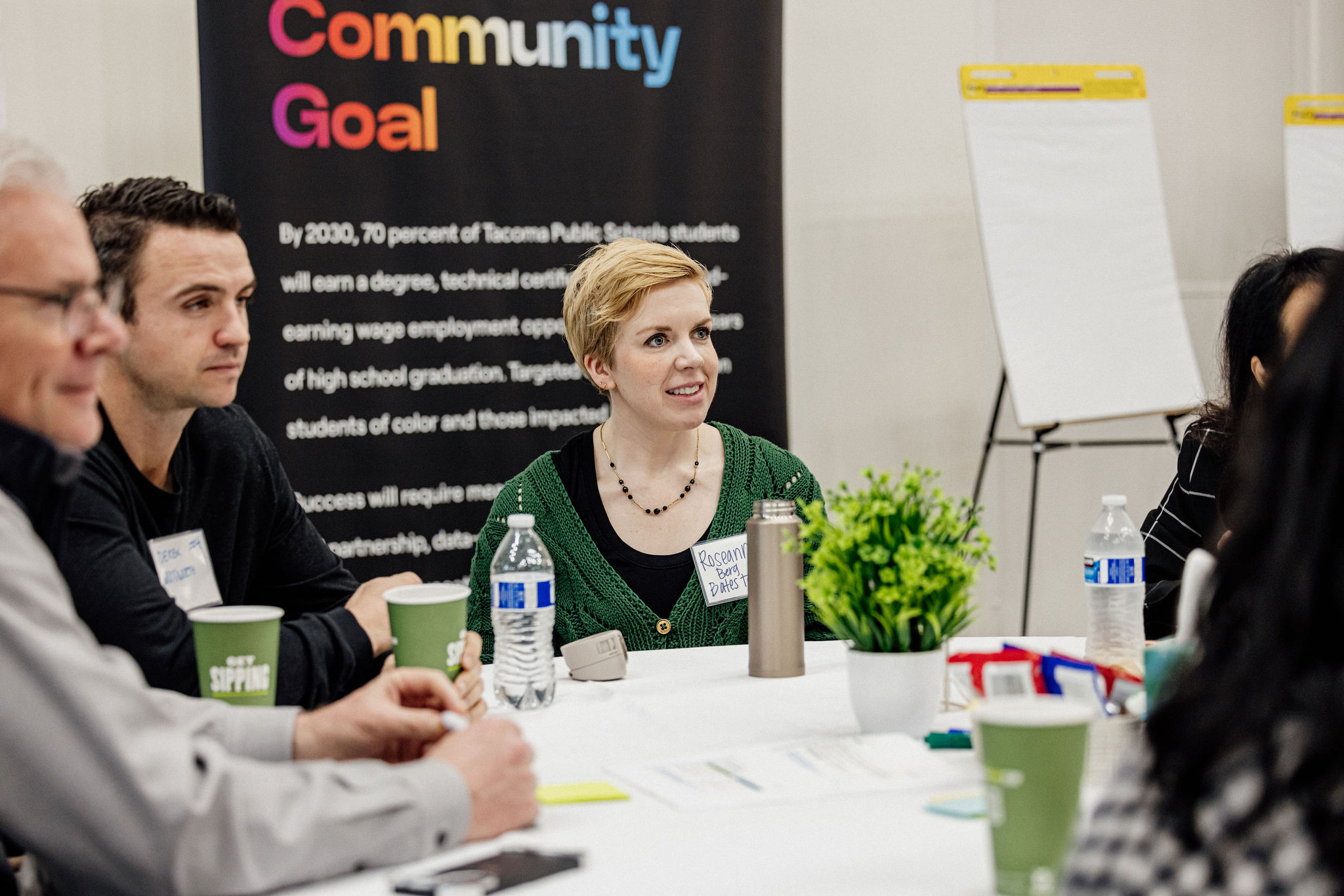
But what makes Pierce Promise a true model of alignment is how it came together. At the Partnership Summit last March, partners identified an opportunity to make college more affordable for these students. From there, the EdCollaborative (EdC) stepped in to convene a working table where the district and the college could shape a solution together. Building on the work each party was already doing, EdC brought research on the need and helped both teams identify what was still missing for students.
Working side by side changed what each partner could see. For K-12 counselors, the partnership served as a “gap eliminator,” helping them build up their knowledge base on what is waiting for students at the college. Dr. Lance Goodpaster, Superintendent of Franklin Pierce School District, noted what it means “for not only an individual, but a family, and a community, and a neighborhood, when that cycle is broken”.
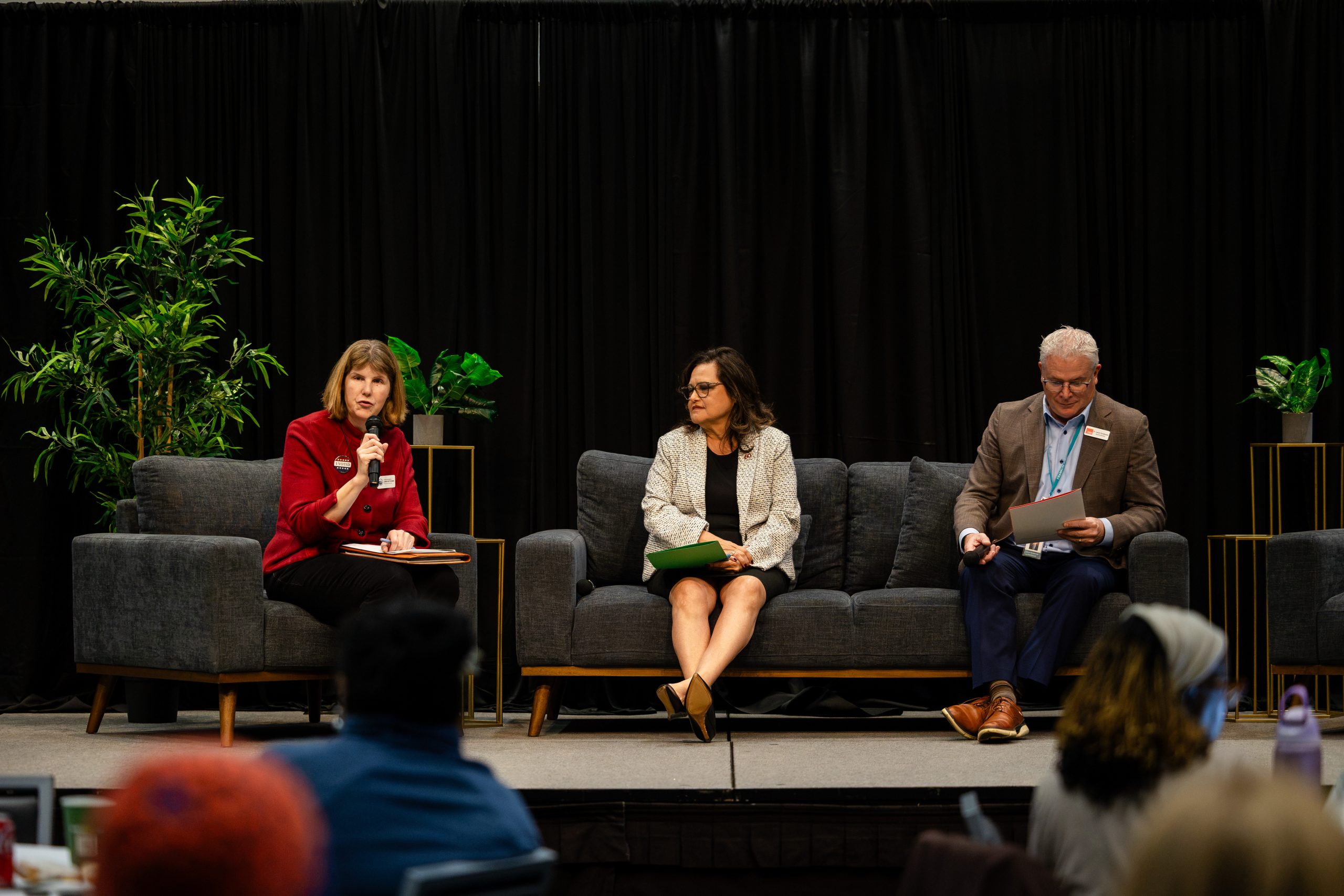
At the college level, Dr. Chio Flores, President of Pierce College Puyallup, emphasized that students have the talent, potential, and financial aid eligibility, yet too many never arrive.
Bridging that final gap requires sustained, dedicated infrastructure. “Partnerships just don’t sustain themselves by themselves,” Dr. Flores noted. She described the EdCollaborative as the backbone of the effort, helping partners hone a shared vision, facilitating the work, and tracking decisions along the way.
With this backbone in place, the partners kept showing up through staff transitions and tight budgets, eventually bringing the concept to County Executive Ryan Mello and members of the County Council in September.
Because the county operates on a biennial budget, the next critical hurdle is the 2027 budget review. If the County Council decides to include funding for Pierce Promise during that cycle, the partnership will be on track to offer the scholarship to students in Fall 2028.
The next chapter of Pierce Promise now ultimately depends on alignment at a larger scale between these institutions and the government that serves them all.
How Pierce County Government is Funding Youth Pathways
While Pierce Promise focuses on one district, county government must align resources for the whole region. Executive Mello described the county’s role as both a convener and a funder.
The county’s 2024-2025 biennial budget includes more than $22 million for programs supporting youth and young adults. This support is mapped across 12 funding streams and 86 organizations in the new Youth Programs and Services Resource Directory. To streamline access, Pierce County and the City of Tacoma now use the same human services budget template to reduce duplicate paperwork for providers.
At the summit, partners named more than 20 programs already moving students forward:
What's working
Pierce County
150+ named by summit partners
Programs and supports
Organizations
The county’s paid youth internships exemplify this structural alignment. Pierce County acts as the funder, while Workforce Central convenes and operates the program, bringing together dozens of employers. Currently, close to half of those internships transition into jobs. Dr. Tafona Ervin, EdC CEO, highlighted the opportunity to push further by aligning these internships directly with education, allowing young people to learn while they earn.
How Summit Partners are Closing the Information Gap
Even well-designed systems only work if people know they exist. During the summit, communication gaps hiding in plain sight became clear: fewer than a third of the room knew that Pacific Lutheran University offers automatic admission, and only a handful were aware of an upcoming trades and hiring fair featuring roughly 100 local employers.
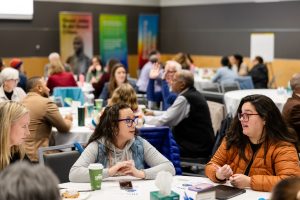
In the working sessions, partners across eight tables generated over 150 ideas regarding what is working, what is missing, and what comes next. The most common missing element? People.
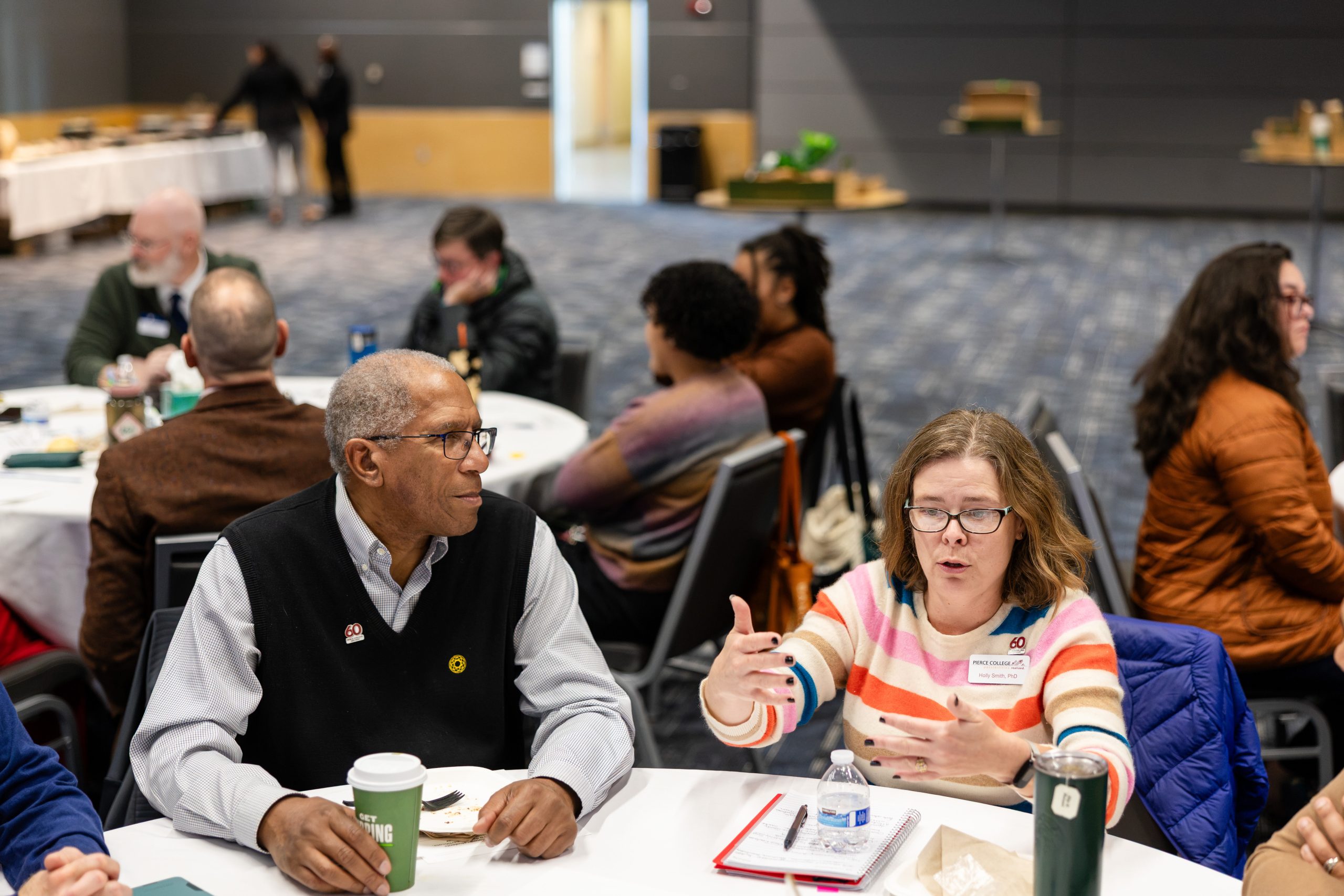
Several tables named navigators, advisors, mentors, and trusted adults as the critical missing piece and needing more of them, with one table advocating for “Navigators in every pathway”. Affordability beyond tuition was also raised at half of the tables.
Jani’s question still stands. What if 70% of our young people had a pathway locked in? Pierce Promise shows what happens when two institutions align around one transition. The county is showing what it looks like when funders align. And the room showed what becomes possible when we simply share what we already have. Imagine that alignment at every level of our system.